Maggots in Your Bin? Here’s How to Get Rid of Them
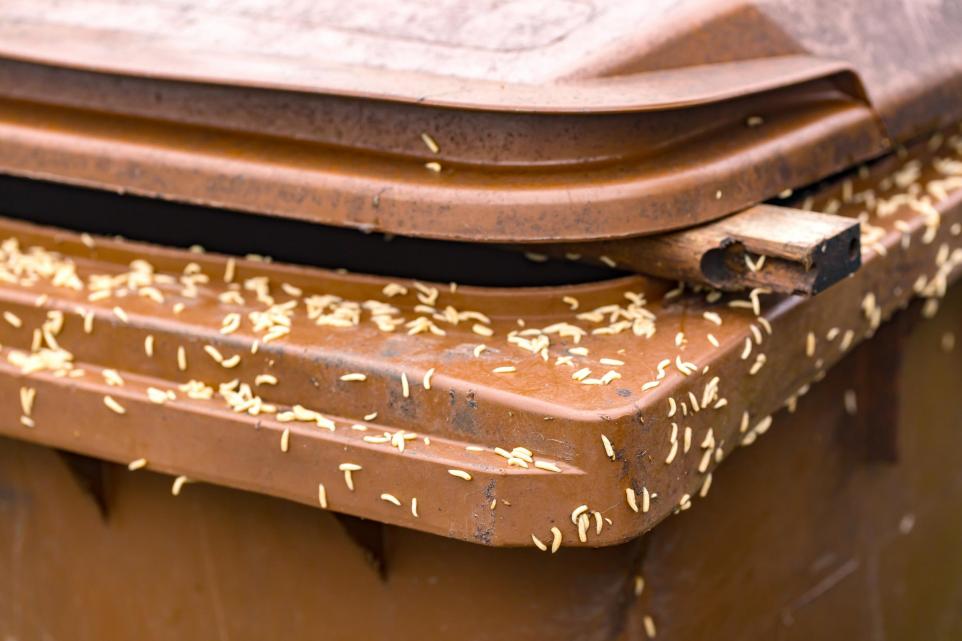
It’s one of those household problems nobody wants to ask about out loud — but it’s far more common than you’d think, especially during warmer months. Maggots appear in bins when flies have laid eggs on food waste, and those eggs hatch within a day or two in the right conditions. The good news: it’s straightforward to clear and even easier to prevent.
Why it happens
Flies are drawn to the smell of decomposing food, and a bin that’s sat out in the sun for a few days between collections is exactly the environment they look for. It’s not a sign of a dirty bin or a hygiene failure — it’s simply a fly finding an open food source and laying eggs, which happens within minutes if the bin lid isn’t sealed or there’s a gap.
How to clear maggots from a bin
- Empty the bin completely — tip out any loose contents where possible, ideally straight into your next scheduled collection.
- Pour boiling water over the maggots — this kills them instantly and is the fastest method. Add a little washing-up liquid or white vinegar for extra effect.
- Scrub the bin out — use a stiff brush with hot water and a household disinfectant, paying attention to the lid seal and any grooves in the base.
- Dry it fully before closing the lid — leaving any residual moisture inside gives the next batch of eggs somewhere to thrive.
Avoid pesticide sprays inside a bin that holds food or organic waste — boiling water and a proper scrub-out is both safer and just as effective.
How to stop it happening again
- Wrap food waste (especially meat and fish scraps) in newspaper or a compostable liner before it goes in the brown bin
- Keep the lid fully closed between uses — even a small gap is enough for flies to get in
- Rinse the brown bin caddy out regularly, not just the outdoor bin
- In hot weather, consider bringing food waste out closer to collection day rather than storing it for a full week
- A light sprinkle of bicarbonate of soda in the bottom of the bin helps control odour between collections, which reduces what attracts flies in the first place