How to Set Up a Waste Segregation System at Home
Knowing which bin something goes in is one thing, actually building a system in your home that makes sorting automatic is another. Most households that struggle with contamination or overflowing general waste bins don’t have a bad recycling habit, they just don’t have a workable setup. Here’s how to build one that actually sticks.
Start in the kitchen
This is where almost all your daily waste decisions happen, so it’s worth setting up three accessible points rather than one bin under the sink: a small caddy for food waste (lined, and emptied every day or two so it doesn’t sit), a container for clean recyclables, and a smaller general waste bin for what’s left. Making the “wrong” bin the least convenient one and the “right” bins the easiest to reach changes behaviour more than any amount of good intentions.
Get the outdoor bins right too
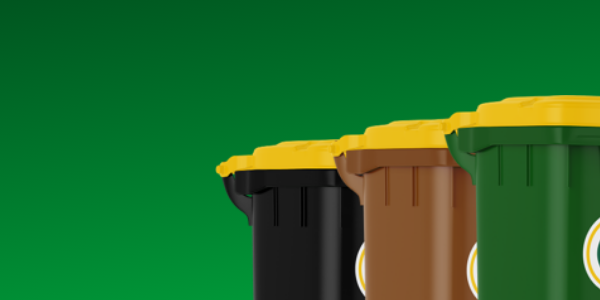
Your three outdoor bins should mirror the indoor system exactly — black for general waste, green for dry recyclables (clean paper, cardboard, plastic bottles, tins and cans), and brown for food and garden waste. If everyone in the house knows the colour system for the outdoor bins, the indoor sorting habit reinforces it rather than fighting it.
The rules that actually matter
- Recycling must be clean and dry — a greasy pizza box or unwashed yoghurt tub can contaminate an entire load
- No bagged recycling — loose items only in the green bin, never in a tied plastic bag
- Food waste can include cooked and raw food, plus eggshells, tea bags and garden waste
- When in doubt, general waste — a wrongly-sorted item in the recycling bin can spoil the batch, so it’s genuinely better to put something uncertain in general waste than risk contamination
Make it a household habit, not just a system
The most durable segregation systems are the ones where every adult and older child in the house knows the rules without having to check. A laminated one-page guide stuck inside a kitchen cupboard door, reviewed once when anyone new moves in or visits regularly, does more than any app or reminder.