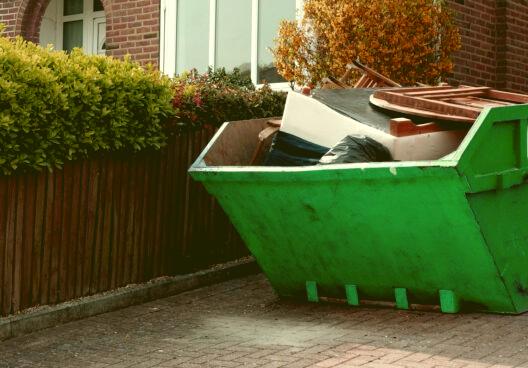
How to Fill a Skip Properly (And Avoid Extra Charges)
You’ve booked your skip, it’s sitting on the driveway, and you’re ready to start filling it. Before you start throwing things in, it’s worth knowing the rules — because an overfilled or incorrectly loaded skip can’t be legally collected, and sorting it out costs time and money. Here’s how to do it right.
The Most Important Rule: The Level Load
Every skip in Ireland must be filled to a level load — meaning waste cannot protrude above the top edge of the skip sides. The load must be flush with or below the sides when viewed from the front, back and both sides.
This isn’t just a company policy — it’s a legal requirement. A skip being towed on Irish roads must comply with load security regulations. Waste protruding above the skip sides is a load security hazard and the skip cannot be collected until it is brought into compliance.
🚫 What happens if you overfill your skip?If our driver arrives and the skip is overloaded, they are legally obliged to leave it. You’ll need to remove the excess waste before we can return for collection — which means another trip charge. Save yourself the hassle: keep it level.
How to Get the Most Into Your Skip
There’s an art to loading a skip efficiently. Done properly, you can fit significantly more into the same skip than a haphazard fill. Here’s how:
1. Heavy items go in first, at the bottom
Rubble, soil, tiles, dense timber and other heavy materials should go in first and sit at the base of the skip. This keeps the centre of gravity low, makes the skip safer to transport, and gives you a stable base to build on.
2. Break everything down that can be broken
Flat-pack furniture that’s still assembled takes up two to three times more space than it needs to. Old kitchen cabinets, wardrobes, shelving units — break them down. Cardboard boxes should be flattened. Timber should be cut into manageable lengths. The more you can reduce the “air” in your skip, the more you can fit.
3. Fill gaps with small items
As you build up layers, push smaller items — bags, boxes, loose material — into the gaps between larger pieces. Think of it like packing a bag for an airline: efficient packing makes a significant difference to total capacity.
4. Keep the sides vertical
Longer items like floorboards, skirting boards, pipes and door frames should be placed vertically against the sides of the skip where possible, or laid flat lengthways. Never let them lean or protrude over the edges.
5. Don’t leave the skip partially filled for days
A skip that’s been sitting on the road with a half-load for several days can attract additional rubbish from neighbours or passers-by. If your skip is on the road, try to maintain steady progress and call for collection as soon as you’re done rather than leaving it unnecessarily.
What “Level Load” Looks Like in Practice
| Situation | Compliant? | Action |
|---|---|---|
| Waste perfectly flush with the top of all four sides | ✅ Yes | Ready for collection |
| Waste slightly below the rim on all sides | ✅ Yes | Ready for collection |
| A single plank or timber beam sticking up 10cm above the side | 🚫 No | Remove or cut the protruding piece |
| Bags piled in a pyramid above the skip sides | 🚫 No | Remove excess bags before we arrive |
| Skip with a large piece of furniture overhanging one side | 🚫 No | Reposition or remove the item |
Special Rules for Heavy Waste
If you’re filling your skip with heavy materials — soil, rubble, concrete, bricks, tiles, stones, paving slabs — the rules are even stricter:
- Heavy waste has a weight limit as well as a volume limit. You can reach the weight limit well before the skip looks full visually
- A 6-yard skip filled with soil will typically hit its weight limit at roughly half full by volume
- Never mix heavy and light waste in the same skip if you have significant quantities of heavy material — the weight of soil or rubble can make a skip uncollectable even when the volume looks manageable
- When in doubt, call us before booking and describe your waste — we’ll advise on the right skip for your load
What About Skip Bags?
Greyhound’s 1-tonne skip bag has slightly different rules to steel skips:
- The bag must not be overfilled above the bag rim
- Heavy materials (soil, stones) should only fill the bag to approximately half capacity — the handles of a fully soil-loaded bag may not support the weight
- Do not place sharp or jagged materials (broken glass, exposed nails, sharp metal) in ways that could puncture or tear the bag fabric
Frequently Asked Questions
What does “level load” mean?
Can I put a tarpaulin or net over an overfilled skip?
Can I add more waste after the skip has been collected once and swapped for a new one?
My skip is full, but I still have waste — what should I do?